-
Date: 15 Oct
-
Author: Priyesh Desai
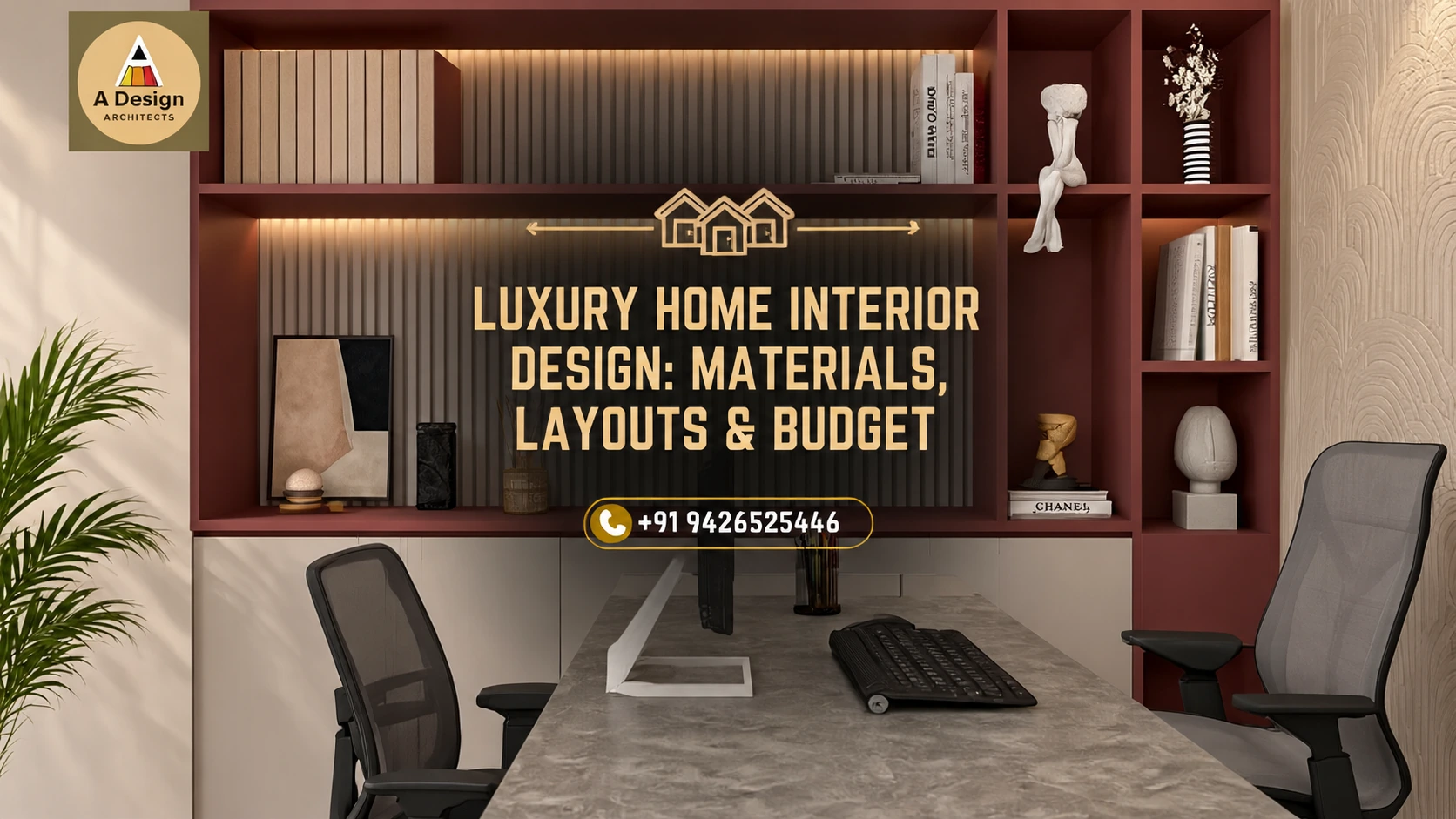
Luxury Home Interior Design: Materials, Layouts and Budget
A luxury home should feel beautiful, comfortable, and suited to the people who live in it. From the living room and bedrooms to the kitchen, dining area, and private spaces, every part of the home contributes to the overall experience.
However, luxury interior design is not simply about choosing expensive furniture or decorative finishes. It involves thoughtful space planning, suitable materials, effective lighting, customized storage, and a design style that works with your lifestyle.
For homeowners planning a new villa, bungalow, or premium apartment, understanding these elements can make the design process easier and help avoid unnecessary expenses.
What Is Luxury Home Interior Design?
Luxury home interior design combines aesthetics, comfort, functionality, and attention to detail. It creates a consistent look throughout the property while addressing the practical requirements of daily living.
A luxury interior may include customized furniture, premium finishes, layered lighting, coordinated colours, statement elements, and well-planned storage.
The right approach depends on the home's architecture, available space, household needs, personal preferences, and budget. A simple, carefully designed room can feel more refined than a crowded room filled with expensive decorative items.
1. Start with a Functional Home Layout
Before selecting materials or furniture, consider how each room will be used.
A well-planned layout helps establish comfortable movement, furniture placement, privacy, and connections between different spaces.
Living Room Layout
The living room often serves as a gathering area for family members and guests. Seating, lighting, television placement, storage, and circulation should be planned together.
Avoid selecting oversized furniture before checking room dimensions. Leave sufficient space for comfortable movement and access to other areas.
Bedroom Layout
A bedroom should support rest, comfort, and privacy. The bed position, wardrobe dimensions, bedside lighting, dressing area, and storage requirements should be considered during planning.
Kitchen and Dining Layout
The kitchen needs to balance appearance with daily functionality. Storage, work surfaces, appliance placement, lighting, and movement between work areas are important considerations.
The dining area should also have suitable space for chairs, circulation, and access to adjacent rooms.
Villa and Bungalow Planning
Larger homes may include family lounges, guest bedrooms, entertainment rooms, home offices, terraces, or private sitting areas. These spaces should be planned according to how the household will use them rather than simply filling available space.
2. Choose Materials That Suit Your Home
Materials have a major influence on the appearance, maintenance, and overall cost of a luxury interior.
Natural Stone and Tiles
Stone and quality tiles can be considered for flooring, feature walls, bathrooms, and selected decorative areas. Selection should account for the intended application, finish, maintenance requirements, and budget.
Wood and Wood Finishes
Wood and wood-look finishes can introduce warmth into bedrooms, living rooms, wardrobes, and selected wall treatments.
The appropriate material depends on the design, expected use, moisture exposure, maintenance needs, and budget.
Glass and Metal Details
Glass, metal accents, and carefully selected hardware can complement contemporary interiors. These materials are often most effective when used consistently rather than excessively.
Fabrics and Upholstery
Curtains, rugs, cushions, and upholstered furniture help soften a room and bring together its colour palette.
Choose fabrics according to comfort, durability, cleaning requirements, and the way the room will be used.
Practical tip: Compare material samples under the proposed lighting before making final decisions. Colours and textures can appear different under natural and artificial light.
3. Use Lighting to Improve the Interior
Lighting influences how a room looks and feels. A well-designed lighting plan usually considers more than one type of light.
-
Ambient lighting: Provides general illumination throughout the room.
-
Task lighting: Supports activities such as reading, cooking, grooming, and working.
-
Accent lighting: Highlights artwork, feature walls, textures, or architectural details.
-
Decorative lighting: Adds a visual element through selected pendant lights, chandeliers, or other fixtures.
The lighting plan should be coordinated with ceiling design, furniture placement, electrical points, and the intended use of each space.
4. Create a Consistent Luxury Interior Style
A cohesive design helps different rooms feel connected without making every room identical.
Some popular approaches include:
Modern luxury: Clean lines, balanced proportions, carefully selected finishes, and minimal visual clutter.
Contemporary interiors: A flexible mix of current materials, comfortable furniture, modern lighting, and practical layouts.
Warm luxury: Natural textures, warm colours, layered lighting, and comfortable furnishings.
Classic luxury: Decorative detailing, traditional proportions, refined finishes, and carefully coordinated furniture.
The best style is the one that reflects your preferences and works with the property's architecture.
5. Add Customized Furniture and Smart Storage
Customized furniture can help make better use of available space while creating a consistent design.
Depending on the home, this may include wardrobes, television units, display cabinets, study desks, kitchen storage, dressing units, and concealed storage.
Before finalizing custom furniture, review dimensions, material specifications, hardware, finishes, and the intended storage capacity.
Good storage planning also helps maintain a clean appearance by reducing clutter in frequently used spaces.
6. Understand the Luxury Interior Design Budget
The cost of luxury home interior design varies according to the property's area, materials, furniture requirements, design complexity, and execution scope.
Important cost factors include:
-
Total area and number of rooms
-
Customized furniture and wardrobes
-
Kitchen and storage requirements
-
Flooring and wall finishes
-
Ceiling and lighting design
-
Electrical and plumbing changes
-
Decorative elements and furnishings
-
Renovation or civil work
-
Design fees and execution services
A design-only project has a different cost structure from a complete turnkey project that includes materials, labour, furniture, and execution.
To plan the budget effectively, prioritize essential work, define the scope, compare material specifications, and maintain a contingency allowance for unforeseen requirements.
Avoid comparing quotations based only on the final amount. Check what each quotation includes and whether the specifications are comparable.
7. Why 3D Visualization Helps Before Execution
3D interior visualization can help homeowners understand how the proposed design may look before work begins.
It can show furniture arrangements, material combinations, colours, lighting concepts, and the overall appearance of a room.
This makes it easier to discuss changes during the design stage rather than discovering mismatches after materials have been purchased or installed.
The final result will still depend on actual materials, dimensions, lighting conditions, and execution quality, so specifications and drawings remain important.
8. How to Choose Luxury Interior Designers in Ahmedabad
Choosing the right interior design team is an important step in a home project.
Before making a decision, review:
-
Relevant experience: Look for projects similar to your property and preferred design style.
-
Design process: Understand how the team handles layouts, drawings, visualization, and revisions.
-
Material specifications: Ask about proposed materials, finishes, hardware, and alternatives.
-
Project scope: Clarify design services, procurement, execution, supervision, and exclusions.
-
Budget and timeline: Discuss realistic estimates and project milestones.
-
Communication: Choose a team that explains decisions clearly and documents agreed requirements.
For homeowners looking for luxury interior designers in Ahmedabad, A Design Architects offers architecture and interior design services for residential and commercial properties. Its integrated design approach can be discussed according to the needs and scope of an individual project.
Plan Your Luxury Home Interior with A Design Architects
A successful luxury interior begins with a clear understanding of your space, lifestyle, design preferences, and budget. Thoughtful planning can help bring these elements together and create a home that feels personal, comfortable, and visually consistent.
If you are planning a luxury villa, bungalow, or apartment in Ahmedabad, speak with A Design Architects about your requirements and explore a design approach suited to your project.
Ready to plan your dream home interior?
Call +91 94265 25446 or email contact@adesignarchitects.com to discuss your project.
A Design Architects — Book a Luxury Home Interior Design Consultation.
Frequently Asked Questions
What makes a home interior look luxurious?
A cohesive colour palette, appropriate materials, balanced lighting, comfortable furniture, effective storage, and careful detailing can contribute to a refined interior.
Is luxury interior design suitable for apartments?
Yes. Luxury design can be adapted to apartments through thoughtful space planning, customized furniture, suitable lighting, and well-selected materials.
How can I control my luxury interior design budget?
Define the project scope, prioritize essential requirements, compare specifications, select materials carefully, and agree on what is included in the quotation before execution.
Should I finalize the layout before selecting furniture?
Yes. A planned layout helps determine suitable furniture dimensions, circulation space, storage requirements, and electrical or lighting positions.
Is 3D visualization useful for luxury home interiors?
Yes. It can help communicate the proposed design and review materials, furniture, colours, and lighting before implementation.


